
Historic Buildings
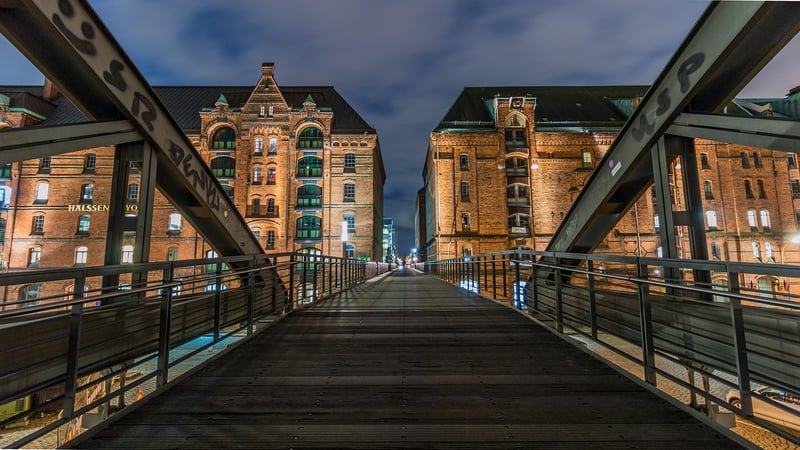
Historic Buildings
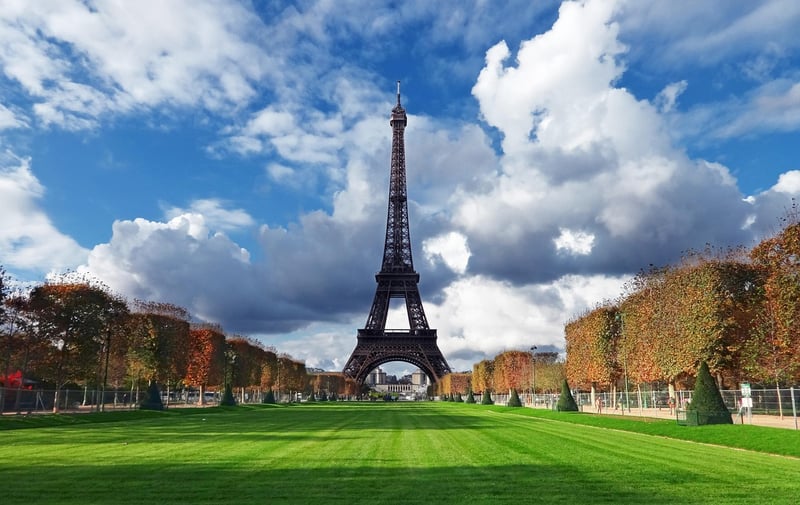
Choosing the Perfect Location for Your Historic Building
When it comes to historic buildings, the location plays a crucial role in preserving the structure and its heritage. Selecting the right location can enhance the building's significance, accessibility, and overall impact. Here are some key factors to consider when choosing the perfect location for your historic building:
1. Historical Context
Consider the historical context of the building and choose a location that complements its heritage. Placing a historic building in a setting that reflects its era can help visitors better understand its significance.
2. Accessibility
Ensure that the location is easily accessible to visitors, including those with disabilities. Accessibility features such as ramps, elevators, and designated parking spaces should be considered to make the building inclusive for all.
3. Preservation Environment
Choose a location that provides a suitable preservation environment for the historic building. Factors such as air quality, humidity control, and protection from natural elements are essential for maintaining the structure's integrity.
4. Cultural Significance
Select a location that aligns with the cultural significance of the historic building. Surrounding the structure with other culturally important landmarks or institutions can create a cohesive heritage district.
5. Community Engagement
Consider the community surrounding the location and involve them in the preservation and promotion of the historic building. Engaging with the local residents can foster a sense of ownership and pride in the heritage of the area.
6. Aesthetic Appeal
The visual appeal of the location can greatly enhance the overall experience of visiting a historic building. Choose a setting that complements the architecture and design of the structure, creating a harmonious blend of old and new.
7. Future Development
Anticipate future development in the vicinity of the historic building to ensure its long-term preservation. Collaborate with urban planners and conservationists to safeguard the building from potential threats posed by modernization.
By carefully considering these factors, you can select the perfect location for your historic building, ensuring its preservation and cultural significance for generations to come.
For more information on historic buildings and preservation, visit National Park Service - Historic Preservation.