
Lighting Design
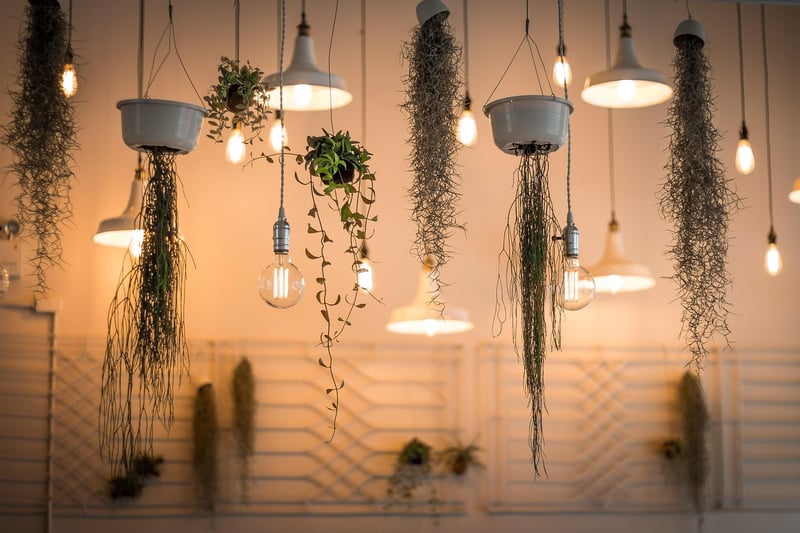
Lighting Design

Creating an Ambiance with Lighting Design
Lighting plays a crucial role in setting the ambiance and mood of any space. Whether it's a cozy living room, a vibrant restaurant, or a serene garden, the right lighting design can transform the atmosphere and enhance the overall experience. Here are some tips on how to use lighting to create the perfect ambiance:
1. Understand the Purpose
Before starting your lighting design, consider the purpose of the space. Is it meant for relaxation, work, social gatherings, or romantic dinners? Different activities require different lighting levels and types. For example, task lighting is essential for workspaces, while dimmable lights are perfect for creating a relaxing environment.
2. Layer Your Lighting
Layering your lighting involves using different types of lights to create depth and dimension in a room. Combine ambient lighting (general illumination), task lighting (focused light for specific activities), and accent lighting (decorative or highlighting purposes) to achieve a well-balanced and visually appealing space.
3. Choose the Right Fixtures
Select fixtures that not only complement the style of your space but also serve their intended purpose effectively. From chandeliers and pendant lights to wall sconces and floor lamps, the right fixtures can add character and functionality to your lighting design.
4. Play with Color Temperature
Color temperature refers to the warmth or coolness of light, measured in Kelvins. Warmer tones (2000-3000K) create a cozy and inviting atmosphere, ideal for residential spaces, while cooler tones (3500-4500K) are more energizing and suitable for task-oriented areas like offices or kitchens.
5. Consider Dimmers and Controls
Installing dimmer switches and smart lighting controls gives you the flexibility to adjust the brightness and color of your lights according to the time of day or the desired mood. This level of control allows you to create different ambiance settings with ease.
6. Highlight Architectural Features
Use lighting to accentuate architectural elements such as exposed beams, textured walls, or artwork. Well-placed lights can draw attention to these features and create visual interest in the space.
7. Outdoor Lighting
Don't forget about outdoor spaces! Lighting up your garden, patio, or balcony can extend your living area and create a magical ambiance for evening gatherings or relaxation. Consider using string lights, lanterns, or pathway lighting to enhance the outdoor experience.
By following these lighting design tips and tricks, you can transform any space into a welcoming and enchanting environment that suits your needs and style.
Remember, lighting is not just about visibility but also about creating an emotional connection and enhancing the overall ambiance of a space.
So, get creative with your lighting design and watch as your space comes to life with warmth, style, and personality!